What Can You Do With an MSN?
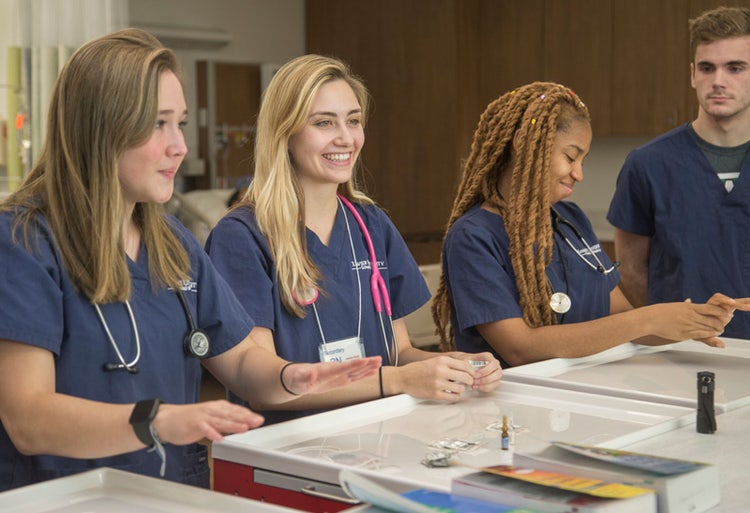
For many registered nurses, earning an MSN isn't just about advancing their education; it's about expanding what's possible for their career. Whether you want to become a nurse practitioner, move into nursing education or leadership, specialize in an area like forensic or psychiatric nursing, or expand your impact in another way, an MSN can help you build the career that's right for you.
Unlike a bachelor's degree in nursing, which prepares students for general nursing practice, an MSN allows registered nurses to develop advanced knowledge and expertise in a chosen specialty. Rather than leading to a single career path, it offers the flexibility to pursue opportunities that align with your interests and long-term goals.
At Xavier University, online MSN programs are designed for working nurses, offering specialized pathways that make it possible to advance your education while balancing professional and personal responsibilities.
MSN Career Paths and Specializations
An MSN gives registered nurses the opportunity to move beyond general nursing practice and develop expertise in a specialty that reflects their aspirations. Your specialization shapes the type of patients you'll serve, the settings where you'll work, and the impact you'll have. Here are some of the most common paths MSN-prepared nurses pursue.
Family Nurse Practitioner (FNP)
Family nurse practitioners provide comprehensive primary care for patients across the lifespan in settings such as primary care practices, outpatient clinics, community health centers, urgent care facilities, and telehealth. This pathway is a strong fit for nurses who enjoy patient education, preventive care, and building long-term relationships with individuals and families.
Psychiatric Mental Health Nurse Practitioner (PMHNP)
As demand for mental health services continues to grow, many nurses are choosing to specialize in behavioral health. Psychiatric mental health nurse practitioners care for individuals experiencing mental illness, substance use disorders, trauma, and other behavioral health concerns. This specialty appeals to nurses who value therapeutic communication and want to support patients' emotional and psychological well-being alongside their physical health.
Adult-Gerontology Primary Care Nurse Practitioner (AGPCNP)
Adult-gerontology primary care nurse practitioners focus on the unique healthcare needs of adults and older adults. Their work often centers on prevention, healthy aging, chronic disease management, and long-term wellness. This pathway is ideal for nurses who want to build expertise in caring for adult populations and develop lasting relationships with their patients.
Not Every MSN Career Is Centered on Direct Patient Care
While nurse practitioner roles are among the most recognized MSN career paths, they're far from the only option.
Many nurses pursue graduate education because they want to make an impact in different ways, whether that's mentoring future nurses, improving healthcare systems, advocating for vulnerable populations, or applying their clinical expertise in unique professional settings.
Nursing Education
Experienced nurses play a vital role in preparing the next generation of healthcare professionals. Nurse educators teach in colleges and universities, lead staff development initiatives, develop curriculum, mentor new nurses, and promote evidence-based practice. For nurses who enjoy teaching and sharing their knowledge, nursing education offers an opportunity to strengthen the profession while continuing to improve patient care through the clinicians they help develop.
Forensic Nursing: Where Healthcare Meets Justice
One of the most distinctive nursing specialties combines clinical practice with advocacy, public safety, and the legal system.
Forensic nurses care for patients affected by violence, abuse, trauma, and other situations with potential legal implications. They often collaborate with law enforcement, legal professionals, and victim advocates while providing compassionate, trauma-informed care and meticulous documentation.
Xavier University builds on this unique career path by offering not only an online MSN in Forensics but also an innovative Dual Degree – MSN in Forensics and MS in Criminal Justice. By combining graduate nursing education with criminal justice coursework, the program prepares nurses to better understand the complex relationship between healthcare, advocacy, public safety, and the legal system, opening doors to careers that extend beyond traditional clinical settings.
Leadership, Advancement and What's Next
For many nurses, an MSN isn't the final destination — it's the beginning of the next phase of their career. Graduate education can prepare nurses for leadership opportunities in quality improvement, care coordination, healthcare administration, and organizational leadership.
Others choose to continue their education by pursuing a Doctor of Nursing Practice (DNP), which focuses on systems improvement, population health, and leading change across healthcare organizations. Xavier University offers an online DNP in Leadership and Population Health for nurses who want to expand their impact beyond individual patient care.
How to Choose the Right MSN Specialization
With so many options available, deciding which MSN specialization is right for you can feel overwhelming. Instead of focusing first on salary or job titles, think about the kind of work that motivates you most. Do you want to care for patients across the lifespan, specialize in mental health or adult-gerontology care, teach future nurses, work at the intersection of healthcare and criminal justice, or lead change within healthcare organizations? Your answers can help point you toward the specialization that best aligns with your interests and long-term goals.
It's also important to consider practical factors such as clinical requirements, certification and licensure expectations, and whether the program meets the requirements in the state where you plan to practice before applying.
Why Choose Xavier University for Your MSN?
Choosing a graduate program is about finding one that aligns with both your goals and your lifestyle.
Xavier University's online nursing programs are designed for working registered nurses, offering flexible pathways in Family Nurse Practitioner, Psychiatric Mental Health Nurse Practitioner, Adult-Gerontology Primary Care Nurse Practitioner, Forensics, and Nursing Education, as well as the Dual Degree – MSN in Forensics and MS in Criminal Justice.
For nurses who already hold an MSN, Xavier's online post-master's certificates provide another way to expand their expertise or transition into a new specialty without earning a second master's degree.
Whether you're looking to become an advanced practice provider, educate future nurses, specialize in forensic nursing, or continue toward doctoral study, Xavier offers flexible pathways designed to help you achieve your goals.
The Bottom Line: What Can You Do With an MSN?
An MSN isn't simply another credential; it's an opportunity to shape the future of your nursing career. Whether you're drawn to advanced practice, education, forensic nursing, or leadership, the right specialization can help you build the expertise to make a greater impact on the patients and communities you serve.
If you're ready to explore what's possible, Xavier University offers flexible graduate pathways designed for working nurses who want to advance their careers while continuing to serve others. Explore Xavier's online nursing programs to find the specialization that aligns with your interests, experience, and long-term goals.