

Graduate Nursing Careers
Nursing careers span many levels of practice, from registered nursing and direct patient care to specialized clinical, educational, and leadership roles. This guide focuses on graduate nursing careers, helping you understand which paths may align with your interests and long-term goals.
Explore advanced nursing roles, salary and job outlook considerations, and how to think through your next step. When you are ready to compare Xavier University’s MSN, DNP, post-master’s certificate, and dual-degree options, visit the Nursing Programs overview page.
Featured Articles
Nursing Career Paths, Salaries and Outlooks
Nursing career options can vary based on factors such as education, licensure, specialization, and state practice requirements. Depending on the path they pursue, nurses may work in direct patient care, leadership, education, public health, or other specialized healthcare settings.
Salary and job outlook data can be useful when comparing paths, but they should be treated as benchmarks rather than guarantees.
Registered nurses provide patient care, educate patients and families, and collaborate with physicians and other healthcare professionals across a wide range of healthcare settings. RN responsibilities often vary based on specialty, patient population, and level of experience, making nursing a flexible career path with opportunities to grow and specialize over time.
Many graduate nursing careers also build on RN experience. Skills developed in registered nursing roles — including clinical judgment, communication, care coordination, and patient advocacy — can support advancement into leadership, education, advanced practice, and other specialty areas.
Example roles may include:
- Registered nurse
- Clinical staff nurse
- Care coordination professional
- Community or public health nurse
- Hospital or outpatient nursing professional
This area may be a fit if you are interested in direct patient care, clinical decision-making, patient advocacy, and collaborative healthcare practice.
Salary and outlook note: According to the U.S. Bureau of Labor Statistics, the median annual wage for registered nurses was $93,600 as of May, 2024. Employment was expected to grow 5% from 2024 to 2034, which is faster than the average for all occupations.
Advanced practice nursing roles require graduate-level preparation and involve greater responsibility in patient assessment, diagnosis, treatment planning, and ongoing care management. Responsibilities vary by specialty, certification, and state scope-of-practice requirements, allowing nurses to pursue focused clinical paths in a variety of healthcare settings.
These roles often appeal to nurses who want to deepen their clinical expertise, specialize in a particular area of care, and play a larger role in long-term patient outcomes and healthcare decision-making.
Examples of advanced practice nursing roles include:
- Family Nurse Practitioner (FNP)
- Psychiatric-Mental Health Nurse Practitioner (PMHNP)
- Adult-Gerontology Primary Care Nurse Practitioner (AGPCNP)
This career path may be a good fit if you’re interested in advanced clinical practice, specialty-focused patient care, evidence-based decision-making, and expanded responsibilities in the assessment and management of patient health.
Salary and outlook note: According to the U.S. Bureau of Labor Statistics, the median annual wage for nurse practitioners was $129,210 as of May, 2024. Employment was expected to grow 40% from 2024 to 2034, which is much faster than the average for all occupations.
Nurse educators help prepare future nurses while also supporting the ongoing development of practicing professionals. They may work in academic settings, healthcare organizations, clinical training environments, or staff development programs, helping learners build the knowledge and skills needed for effective nursing practice.
This pathway often appeals to nurses who enjoy teaching, mentoring, curriculum development, and guiding others as they grow in their clinical and professional abilities.
Example roles may include:
- Nurse educator
- Clinical instructor
- Academic nursing faculty member
- Staff development or training professional
- Simulation or clinical education specialist
This area may be a fit if you enjoy teaching, mentoring, professional development, evidence-based practice, and strengthening the future nursing workforce.
Salary and outlook note: The average annual salary for a nurse educator in the United States was $102,263 as of May, 2026, according to ZipRecruiter.
Compensation can vary by academic setting, clinical setting, institution, and role. Some nurse educators teach in formal academic programs, while others support clinical instruction, simulation, staff development, or professional training.
Nursing leadership roles often focus on improving healthcare delivery, supporting clinical teams, and helping organizations operate effectively. Depending on the setting and level of responsibility, nurses in leadership positions may oversee operations, guide quality and safety initiatives, contribute to strategic planning, or help shape broader healthcare systems and policies.
This pathway may appeal to nurses who are interested in team leadership, systems improvement, healthcare operations, and influencing patient care beyond direct bedside responsibilities.
Example roles may include:
- Nurse leader or administrator
- Clinical operations professional
- Quality improvement specialist
- Healthcare systems or population health leader
- Nursing management professional
This area may be a fit if you are interested in systems improvement, team leadership, healthcare operations, quality and safety initiatives, strategic decision-making, or influencing care beyond the bedside.
Salary and outlook note: Compensation in nursing leadership roles can differ significantly based on the organization, level of responsibility, experience, and area of focus. Nurses pursuing leadership pathways may explore opportunities related to operations, quality improvement, administration, policy, or broader healthcare systems strategy.
According to ZipRecruiter, the average annual pay for a clinical nurse leader was $89,949 as of May, 2026.
Some nursing careers exist at the intersection of healthcare, public safety, advocacy, and the legal system. Nurses in these areas may support patients affected by violence, trauma, abuse, or legal investigations while contributing to documentation, interdisciplinary collaboration, and trauma-informed care.
Related pathways can include forensic nursing, correctional healthcare, victim advocacy, legal consulting, and other roles connected to justice or public safety settings. For students interested in this intersection, Xavier University’s combined nursing and criminal justice portfolio offers a distinctive opportunity to explore these overlapping fields.
Example roles may include:
- Forensic nursing professional
- Correctional healthcare professional
- Victim advocacy or trauma-informed services professional
- Legal nurse consulting-related role
- Healthcare and public safety collaboration professional
This area may appeal to nurses who are interested in applying clinical knowledge in settings connected to advocacy, investigations, trauma-informed care, or public safety.
Salary and outlook note: Salary outcomes vary significantly depending on whether the role sits primarily within healthcare, corrections, advocacy, legal support, public safety, or forensic practice. Review current employer requirements and role-specific salary data before choosing a pathway.
For nurses considering graduate education, salary is only one part of career planning. The best pathway is not always the highest-paying role; it is the role that aligns with your strengths, interests, desired patient population, preferred work setting, and long-term goals.
Online Nursing Degrees & Certificates
Whether you are advancing your clinical expertise, preparing for leadership opportunities, or pursuing the next step in your nursing career, Xavier University offers online nursing programs designed to support your professional growth.
Our flexible online learning format allows working nurses and healthcare professionals to continue their education while balancing career, family, and personal responsibilities. With graduate degree and certificate options available, you can choose the pathway that aligns with your experience, interests, and long-term career goals in today’s evolving healthcare environment.
Explore Our Programs

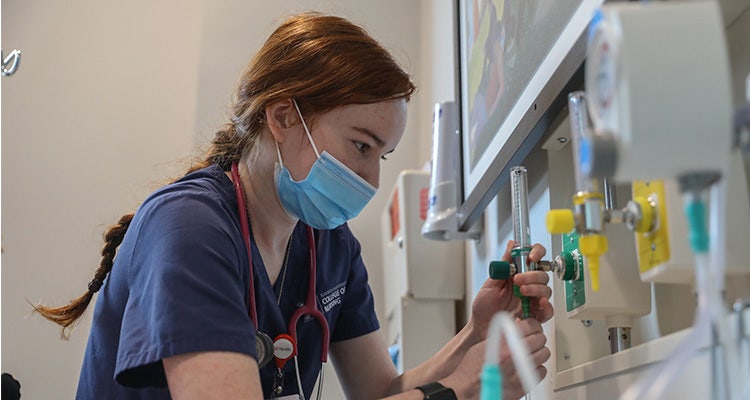
How to Advance Your Nursing Career
Advancing your nursing career starts with understanding where you are now and where you want to go next.
Some nurses pursue graduate education because they want to become nurse practitioners. Others want to move into education, leadership, forensic nursing, mental health care, adult-gerontology practice, or a more specialized clinical area.

Identify Your Current Qualification
Start with your current education and licensure. Are you BSN-prepared? Do you already have an MSN? Are you seeking your first graduate nursing degree or adding a new specialty?
Your starting point will influence which program options are relevant.

Choose a Career Direction
Think about the type of impact you want to make and the healthcare settings that best match your interests and strengths. Ask yourself questions such as: Do I want to provide direct patient care, specialize in a particular area, teach future nurses, lead healthcare teams, or work in settings connected to public safety or the justice system?
You can also consider which skills you already have and which new areas of expertise you want to develop as you explore nursing career pathways.

Understand Education and Certification Requirements
Advanced nursing roles may require graduate education, certification, licensure, clinical experience, or a combination of these. Requirements vary by role, state, specialty, and employer.
Before choosing a pathway, review the requirements, scope-of-practice rules, and employer expectations of the role you’re considering.

Compare Xavier University Nursing Programs
Once you understand your career direction, explore the Nursing Programs overview page to compare Xavier University’s online MSN, DNP, post-master’s certificate, and dual-degree options.

Review Admissions and Accreditation Information
Graduate Nursing Career FAQs
Depending on the program and specialty, an MSN can support pathways in advanced practice, nursing education, forensics, leadership, or other specialty areas.
Forensic nursing, correctional healthcare, legal nurse consulting, victim advocacy, and some investigative or public safety-related healthcare roles may combine nursing and criminal justice interests.
Explore:
Start with your career goal. Consider whether you want direct patient care, mental health practice, adult-gerontology care, education, leadership, forensic nursing, or a healthcare/criminal justice pathway. Then compare the Xavier University nursing programs that align with that direction.
Visit the Nursing Programs overview page to compare Xavier University’s online MSN, DNP, post-master’s certificate, and dual-degree options.

Ready to Compare Nursing Programs?
If you have a career direction in mind, the Nursing Programs overview page can help you compare Xavier University’s online options.
Use it to explore:
- Which graduate nursing pathway fits your goals
- Which specialty aligns with your interests
- Whether an MSN, DNP, certificate, or dual degree is the right next step
- How Xavier University nursing programs connect to advanced practice, education, leadership, and specialty roles