Forensic Nursing Careers: What Forensic Nurses Do and How to Get Started
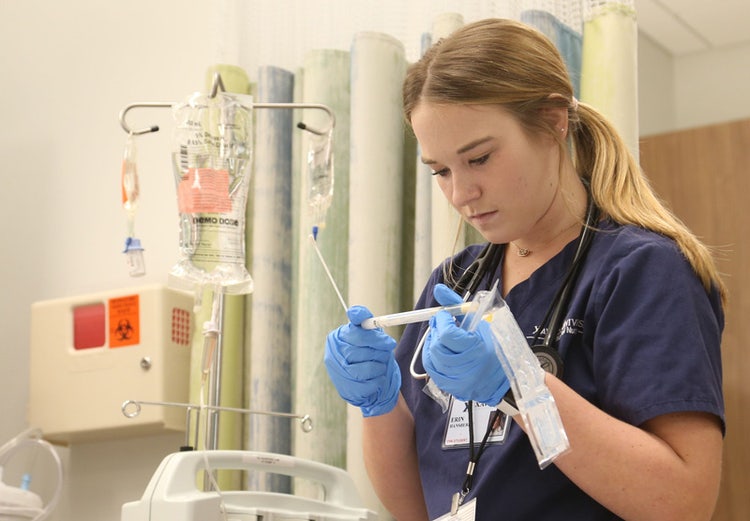
When someone experiences violence, abuse, or another traumatic event, their healthcare needs often extend beyond medical treatment alone. They may also need someone who can document injuries, provide compassionate support, connect them with resources, and navigate the intersection of healthcare and the legal system.
That's where forensic nurses play a unique role.
Forensic nursing combines clinical expertise with trauma-informed care, patient advocacy, and an understanding of legal and justice systems. It's a growing specialty for registered nurses who want to make a difference not only in patients' health, but also in their ability to seek justice, access support, and move forward after some of life's most difficult experiences.
Whether you're exploring forensic nursing careers for the first time or wondering how to become a forensic nurse, understanding the different roles and career paths can help you decide whether this unique specialty aligns with your interests and professional goals.
What Is Forensic Nursing?
At its core, forensic nursing is still nursing.
What makes the specialty different is the context in which forensic nurses provide care. Rather than focusing solely on treating injuries or illnesses, forensic nurses often care for patients whose medical needs are connected to violence, abuse, neglect, trauma, or involvement with the legal system.
That may include survivors of sexual assault or domestic violence, individuals experiencing human trafficking, incarcerated patients, or people receiving care following violent crimes or other traumatic events.
Alongside clinical care, forensic nurses may document injuries, support evidence collection when appropriate, coordinate with multidisciplinary teams, educate patients about available resources, and advocate for individuals navigating complex healthcare and legal systems.
The combination of clinical knowledge, compassion, and advocacy is what makes forensic nursing such a distinctive field. While legal considerations may be part of the job, the focus always begins with providing safe, ethical, patient-centered care.
What Does a Forensic Nurse Do?
The responsibilities of a forensic nurse vary depending on the setting, employer, and role, but every position shares one common goal: supporting patients during some of the most vulnerable moments of their lives.
On any given day, a forensic nurse might assess injuries, provide trauma-informed care, document clinical findings, educate patients about their options, coordinate with physicians and social workers, or collaborate with law enforcement and victim advocates when appropriate.
Because these situations are often emotionally complex, forensic nurses must combine strong clinical judgment with excellent communication skills, empathy, and attention to detail. They are frequently called upon to build trust with patients who may be frightened, overwhelmed, or uncertain about what comes next.
For many nurses, that's what makes the specialty so meaningful. Forensic nursing isn't simply about understanding the legal system, it's about helping patients feel heard, respected, and supported while delivering high-quality clinical care.
Where Can a Career in Forensic Nursing Take You?
One of the strengths of forensic nursing is the variety of career paths available. Some nurses provide direct patient care, while others focus on education, consultation, leadership, or collaboration with legal and public safety professionals.
Sexual assault nurse examiner (SANE)
Sexual assault nurse examiners are specially trained forensic nurses who care for patients following sexual assault. Their responsibilities may include trauma-informed assessment, patient advocacy, documentation, and evidence collection in accordance with established protocols and state requirements.
Correctional nursing
Correctional nurses provide healthcare within jails, prisons, detention centers, and other secure facilities. In addition to addressing routine and chronic healthcare needs, they often care for patients with complex medical, behavioral health, and social challenges while working within the correctional system.
Legal nurse consulting
Legal nurse consultants use their clinical knowledge to help attorneys, insurance companies, and other organizations understand medical records, standards of care, and healthcare-related issues involved in legal cases. This role is often less patient-facing but relies heavily on nursing expertise and analytical thinking.
Forensic psychiatric nursing
Forensic psychiatric nurses work with individuals whose mental health needs intersect with the legal or criminal justice system. They may care for patients in psychiatric hospitals, correctional settings, or specialized treatment programs while supporting both behavioral health and public safety objectives.
These are just a few examples. Forensic nurses may also pursue careers in victim advocacy, program leadership, education, policy development, or other roles where healthcare and the justice system intersect.
Is Forensic Nursing Right for You?
Like any nursing specialty, forensic nursing is about more than developing clinical expertise, it's about finding work that aligns with your strengths and the kind of difference you want to make.
Forensic nursing may be a good fit if you're drawn to patient advocacy, trauma-informed care, and interdisciplinary collaboration. Nurses in this field often work with individuals experiencing some of the most difficult moments of their lives, making compassion, communication, and emotional resilience just as important as clinical skills.
You may enjoy forensic nursing if you want to:
- Support patients affected by violence, abuse, or trauma.
- Work at the intersection of healthcare, advocacy, and the legal system.
- Collaborate with physicians, social workers, law enforcement, and community organizations.
- Help ensure patients receive compassionate care while understanding their rights and available resources.
- Use careful assessment and documentation to support both patient care and broader healthcare or legal processes.
While forensic nursing can be incredibly rewarding, it also requires comfort working in emotionally complex situations. Nurses in this specialty frequently care for vulnerable populations and must balance clinical decision-making with empathy, professionalism, and ethical judgment.
How to Become a Forensic Nurse
There isn't a single path into forensic nursing, and career requirements can vary depending on the role, employer, and state. However, many nurses follow a similar progression.
First, you'll need to become a registered nurse and gain clinical experience. Many forensic nurses build experience in emergency care, behavioral health, women's health, pediatrics, trauma, or correctional healthcare before moving into the specialty.
From there, specialized education can help you develop expertise in areas such as trauma-informed care, patient advocacy, legal systems, documentation, and interdisciplinary collaboration.
Xavier University offers several pathways for nurses interested in forensic nursing, including an MSN in Forensics, a Post-Master's Certificate in Forensics, and a Dual Degree – MSN in Forensics and MS in Criminal Justice.
Depending on your career goals, you may also pursue additional role-specific training or certifications. For example, nurses interested in becoming Sexual Assault Nurse Examiners (SANEs) should review the education, clinical, and certification requirements established by their state and employer.
Why Study Forensic Nursing at Xavier University?
For nurses interested in this growing specialty, graduate education can provide a deeper understanding of the clinical, ethical, and legal issues that shape forensic practice.
Xavier University's online forensic nursing programs are designed to help registered nurses expand their expertise while continuing to work professionally. Rather than focusing solely on traditional clinical practice, the curriculum explores trauma-informed care, advocacy, evidentiary processes, and the relationship between healthcare and the justice system.
One of Xavier's most distinctive offerings is its Dual Degree – MSN in Forensics and MS in Criminal Justice. The program combines graduate nursing education with advanced criminal justice coursework, preparing nurses to better understand the systems surrounding patient care — not just the care itself.
That interdisciplinary perspective can be valuable for nurses interested in correctional healthcare, legal nurse consulting, victim advocacy, forensic psychiatric nursing, public safety, and other roles where healthcare and criminal justice intersect.
Whether you're beginning your journey into forensic nursing or looking to expand your expertise through graduate study, Xavier offers flexible online pathways designed to help you build the knowledge and skills needed for this unique field.
Frequently Asked Questions
What does a forensic nurse do?
Is a forensic nurse the same as a SANE nurse?
Where do forensic nurses work?
How do you become a forensic nurse?
Is forensic nursing an advanced practice role?
The Bottom Line
Forensic nursing is a unique specialty that combines clinical expertise with advocacy, compassion, and an understanding of the systems that shape patients' lives beyond the bedside. For nurses who want to support individuals affected by trauma while working at the intersection of healthcare and justice, it offers an opportunity to make a meaningful difference in both individual outcomes and broader communities.
If you're considering a career in forensic nursing, start by thinking about the kind of impact you want to make. Whether your interests lie in direct patient care, education, correctional healthcare, victim advocacy, or interdisciplinary collaboration, the right graduate program can help you build the knowledge and skills to pursue those goals.
Explore Xavier University's online forensic nursing pathways to learn how an MSN in Forensics, Post-Master's Certificate in Forensics, or Dual Degree – MSN in Forensics and MS in Criminal Justice can help you prepare for the next step in your nursing career.